

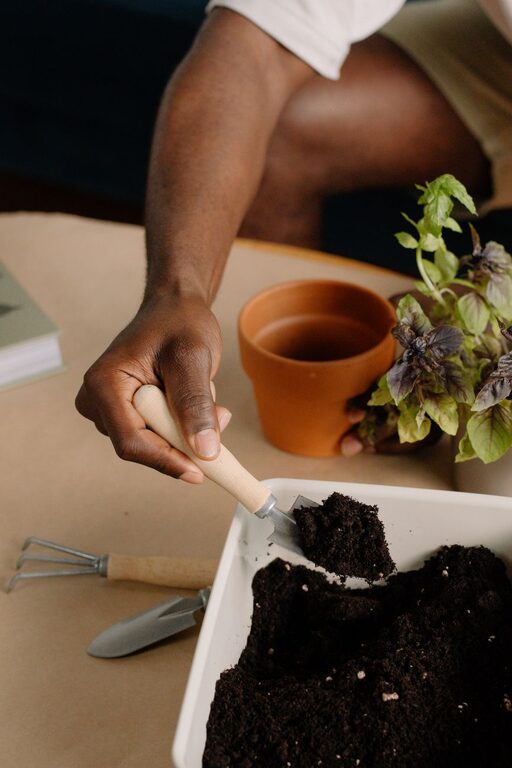
Starting a small herb garden indoors is a wonderful way to bring fresh flavors to your cooking while adding a touch of greenery to your home. Whether you have limited outdoor space or want easy access to herbs year-round, growing herbs inside is both practical and rewarding. In this guide, we’ll walk through everything you need to know to start your indoor herb garden successfully.
Why Grow Herbs Indoors?
Indoor herb gardening has many benefits:
– Freshness: Harvest herbs right when you need them.
– Convenience: Keep herbs close to your kitchen for easy use.
– Year-round growing: Avoid weather or seasonal restrictions.
– Decorative: Adds natural beauty and a pleasant aroma to your home.
– Educational: A fun project for kids or beginner gardeners.
Choosing the Right Herbs
Not all herbs thrive indoors equally. Selecting the right ones will set you up for success.
Best Herbs for Indoor Growing
– Basil: Requires lots of sunlight and warmth; perfect for sunny windowsills.
– Parsley: Tolerates less light; grows well in moderate sunlight.
– Mint: Grows quickly and is very hardy; prefers indirect sunlight.
– Chives: Easy to grow and needs moderate light.
– Thyme: Prefers bright light and well-drained soil.
– Oregano: Likes full sun and dry soil between watering.
– Cilantro: Needs cooler temperatures and bright indirect light.
What You Need to Get Started
Before planting, gather these basic supplies:
– Containers: Small pots with drainage holes are ideal. You can also use recycled containers if they have good drainage.
– Potting Mix: Use a high-quality, well-draining potting soil, not garden soil.
– Seeds or Starter Plants: Starter plants are easier for beginners, but seeds offer more variety.
– Watering Can or Spray Bottle: To keep soil moist but not soggy.
– Light Source: A sunny windowsill or grow lights if natural light is insufficient.
– Labels: To keep track of your herbs, especially when planting multiple types.
Step-by-Step Guide to Starting Your Indoor Herb Garden
1. Select Your Space
Choose a spot that receives at least 6 hours of sunlight daily. South-facing windows are usually best. If your home lacks natural light, consider investing in LED grow lights.
2. Prepare Your Containers
Fill pots with potting mix, leaving about an inch of space from the top. Ensure drainage holes are clear to avoid waterlogging.
3. Plant Your Herbs
– Seeds: Plant according to the seed packet instructions, usually just under the soil surface.
– Starter Plants: Gently loosen roots before planting and set at the same soil depth as in the nursery pot.
4. Water Correctly
Water the soil thoroughly after planting until water drains from the bottom. Keep the soil consistently moist but not saturated. Overwatering can lead to root rot.
5. Provide Adequate Light
Place your herbs in the chosen sunny spot or under grow lights for 12-16 hours per day. Rotate pots occasionally to ensure even light exposure.
6. Maintain the Garden
– Fertilize: Use a balanced, water-soluble fertilizer every 4-6 weeks.
– Prune: Regularly pinch back herbs like basil to promote bushier growth.
– Check for Pests: Inspect leaves for signs of pests like aphids or spider mites.
– Air Circulation: Ensure good airflow around your plants to prevent fungal issues.
Tips for Success
– Use a spray bottle to mist herbs that prefer higher humidity.
– Don’t overcrowd pots; give each herb space to grow.
– Keep herbs away from hot radiators or cold drafts.
– Harvest herbs often to encourage fresh growth.
– Start small and expand your garden as you gain confidence.
Common Challenges and Solutions
| Problem | Cause | Solution |
|————————|————————|——————————–|
| Yellow leaves | Overwatering or poor light | Reduce watering, improve light |
| Leggy plants | Insufficient light | Move to brighter location |
| Wilting | Underwatering | Water more regularly |
| Pests | Aphids, mites | Use mild insecticidal soap |
Harvesting and Using Your Herbs
The best time to harvest herbs is in the morning after the dew has dried. Use scissors to snip just above a leaf node to encourage new growth. Fresh herbs can be used immediately in cooking, dried for later use, or frozen in ice cube trays with water or oil.
Conclusion
Creating an indoor herb garden is an enjoyable and accessible hobby that brings fresh flavors straight to your kitchen. With the right herbs, containers, and care, even small spaces can become lush herb havens. Start small, be patient, and soon you’ll enjoy the benefits of fresh herbs all year long.
Happy gardening!