

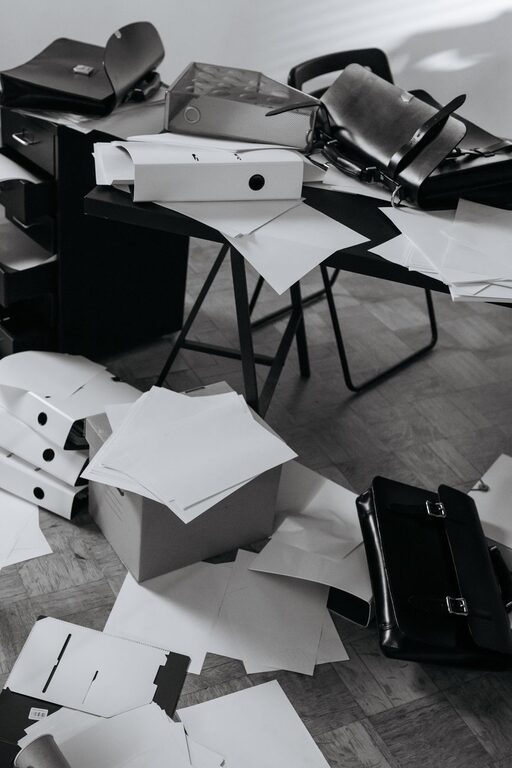
Managing paper clutter is a common challenge in many households. Bills, receipts, mail, school papers, and other documents can quickly pile up, creating a messy environment and making it hard to find important information when you need it. The good news is that reducing paper clutter doesn’t have to be overwhelming. With a few simple strategies, you can regain control and enjoy a cleaner, more organized space.
Why Reducing Paper Clutter Matters
Before diving into tips, it’s helpful to understand why cutting down on paper clutter is important:
– Saves time: Less paper means less time spent sorting and searching.
– Reduces stress: A tidy space promotes calm and focus.
– Protects important documents: Prevents loss or damage to essential papers.
– Helps the environment: Reducing paper use saves trees and reduces waste.
With these benefits in mind, let’s explore practical ways to reduce paper clutter at home.
1. Go Digital Whenever Possible
One of the most effective ways to cut down on paper clutter is to switch to digital documents.
Switch to Paperless Billing and Statements
Many companies now offer electronic billing. Sign up for e-bills for utilities, credit cards, and other services to reduce the amount of mail you receive.
Use Apps to Manage Receipts and Notes
Apps like Evernote, Google Keep, or specialized receipt trackers allow you to save important information digitally, eliminating the need to keep physical copies.
Scan and Store Important Documents
Invest in a scanner or use a smartphone app to digitize important documents such as warranties, tax forms, and medical records. Store them in organized folders on your computer or a secure cloud service.
2. Create a Simple Filing System
For the papers you must keep physically, having a clear system makes a big difference.
Use Clearly Labeled Folders or Bins
Sort papers into categories such as bills, taxes, school, and health. Label them clearly so you can find and file items quickly.
Limit Your Filing Categories
Too many folders can be confusing. Keep your system straightforward to make maintenance easier.
Set a Regular Filing Schedule
Dedicate a few minutes weekly or monthly to file and review papers. Consistency prevents pileups.
3. Reduce Incoming Paper
Controlling the flow of paper into your home is key.
Unsubscribe from Unwanted Mail
Take time to opt out of catalogs, junk mail, and newsletters you no longer want. Websites like DMAchoice can help reduce unsolicited mail.
Encourage Digital Communication
Ask friends, family, and schools to communicate via email or apps rather than paper notices.
4. Sort and Purge Regularly
Decluttering is easier when done in small, frequent sessions.
Daily Sort
Keep an inbox tray where all incoming papers are placed. Spend a few minutes daily sorting through it — recycle junk mail immediately.
Monthly Review
Go through your filing system monthly to remove outdated or unnecessary documents.
5. Use Organizers and Storage Solutions
Having the right tools can keep paper clutter under control.
Desktop Organizers
Use trays or baskets to separate incoming, outgoing, and to-be-filed papers.
Labelled Storage Boxes
For papers you need to keep long-term but don’t require frequent access, storage boxes help keep things neat.
6. Teach the Whole Household
Paper clutter often builds up because everyone handles paper differently.
Set Household Rules
Create simple guidelines for handling mail, school papers, and receipts.
Involve Kids
Encourage children to help sort and file their school papers, teaching good habits early.
7. Recycle and Shred Responsibly
Dispose of paper clutter carefully to protect personal information and help the environment.
Shred Sensitive Documents
Shred bills and documents with personal data before recycling.
Use Local Recycling Programs
Familiarize yourself with your area’s recycling guidelines to ensure proper disposal.
Final Thoughts
Reducing household paper clutter doesn’t require a drastic overhaul. By adopting small, practical habits like going digital, organizing regularly, and managing incoming paper, you can create a more peaceful, organized home environment. Start with one or two strategies and build from there—you’ll notice the benefits right away.